Recycling ERP
The recycling-native ERP — NetSuite + QuickBooks, ISO 9001 QMS, and multi-location consolidation
OnlineScrap is a recycling ERP, not a generic ERP bent into the recycling shape. NetSuite and QuickBooks Online native sync, ISO 9001:2015 QMS, multi-location consolidation, central pricing with per-yard overrides, 5-way freight invoice match, AR/AP, and 21 integrated modules — all from one vendor, on a platform that has processed 1B+ tickets since 2010.
The short answer
- What it is
- A recycling-native ERP — NetSuite and QuickBooks sync, multi-location consolidation, freight 5-way match, and ISO 9001 QMS.
- Who it's for
- Recyclers replacing a generic ERP that was bent into the recycling shape.
- Proof
- 21 integrated modules from one vendor, proven at 40-location, 1M+ tickets-per-year scale.
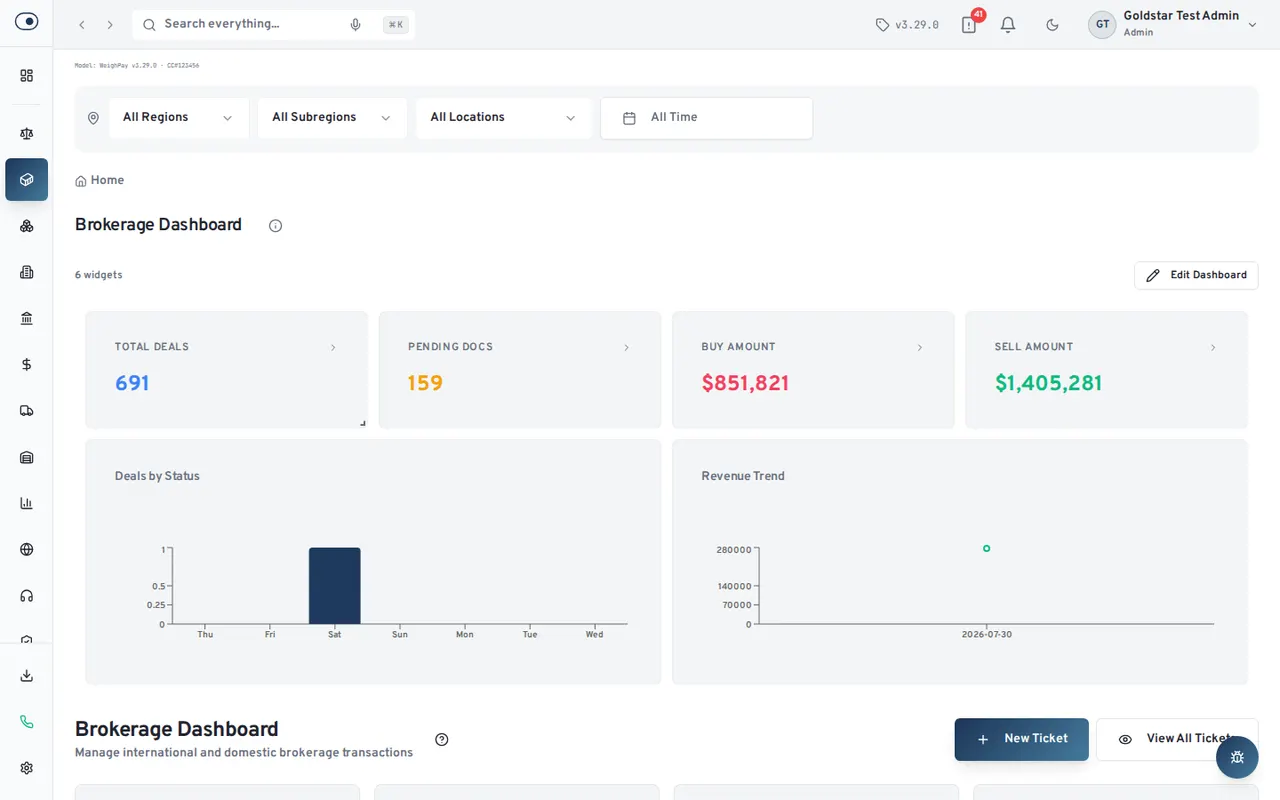
What ships on day one
Finance & consolidation
- Native NetSuite + QuickBooks Online sync
- Multi-location consolidation with per-yard P&L
- Central pricebook with per-yard override and approval rules
- 5-way freight invoice match across BOL / ticket / PO / rate / GL
Quality & integration
- ISO 9001:2015 QMS — CAPA, audits, risk, calibration, management review
- Open REST API with OAuth 2.0 + webhooks for SAP, Oracle, custom GL
- Webhooks and REST endpoints for every entity, plus BI connectors for Power BI, Tableau, and Looker
- 21 integrated modules — no third-party stitching
Sales & suppliers
- Built-in CRM: visual pipeline, lead scoring, quoting, campaigns, and territory coverage
- Supplier relationship scorecards — on-time delivery, weight variance, spend by supplier
- Executive analytics: conversion funnels, deal velocity, win/loss, weighted pipeline value
Frequently asked questions
How is a recycling ERP different from a generic ERP?
A recycling ERP models scale tickets, grades, freight 5-way match, mill outbound reconciliation, multi-commodity inventory, and recycling-specific compliance (R2, ISO 9001, hazmat) natively. Generic ERPs require costly customization and rarely match this depth.
Does OnlineScrap replace NetSuite or QuickBooks?
No — it integrates natively with both. OnlineScrap is the operational system of record; NetSuite or QuickBooks remain the GL of record. Settlements, AR/AP, and journal postings flow automatically.
How is multi-location consolidation handled?
Unlimited locations under one tenant, with central pricing, cross-yard transfers, consolidated P&L, and per-yard reporting. Roll-ups happen automatically.
What about SAP, Oracle, or custom GLs?
Open REST API with OAuth 2.0 and webhooks. Enterprise customers integrate to SAP, Oracle, and custom GLs through the same API surface.
Is the platform proven at enterprise scale?
Yes — the most active enterprise customer runs 40 locations and processes over 1 million tickets per year on the platform. General Motors is among the customer logos.
What ships in the ISO 9001:2015 quality module?
Seven registrar-ready components: CAPA management with root-cause analysis and effectiveness verification; internal audit scheduling with findings linked to CAPA for closed-loop resolution; a risk register with scoring; scale and equipment calibration tracking with certificate numbers, pass/fail results, and overdue alerts; supplier evaluation and approved-supplier lists with periodic re-evaluation; customer satisfaction surveys across quality, delivery, and service; and structured management reviews with agendas, minutes, decisions, and action items. A live quality dashboard reports open CAPAs, overdue calibrations, risk scores, and audit coverage.
What can I build on the open API?
RESTful endpoints cover every entity — tickets, inventory, accounts, pricing, dispatch and more — so you can connect an existing ERP, TMS, or internal system. Webhooks fire when tickets close, inventory moves, settlements post, or containers arrive, so you can auto-create tickets from ERP purchase orders, sync pricing from market feeds, or push settlements to your bank. You can also pull live data into Power BI, Tableau, or Looker, export years of transactional history as CSV or JSON for audits, and train your own models on your scale tickets, pricing history, and yield data.
Is there a CRM for the sales side?
Yes. A drag-and-drop pipeline moves prospects through stages, leads import and enrich with company data and AI scoring by likelihood to convert, quotes build from your price sheets with open and response tracking, and calls, emails, and meetings log against a full activity history. Territory management assigns reps to regions and surfaces coverage gaps, and supplier-side scorecards track quality, timeliness, and weight accuracy.
